

Climate change is often communicated through numbers: degrees of warming, emissions targets, extreme weather records, and future projections. But behind those numbers, is something much harder to measure: how people feel while trying to make sense of them.
Fear. Sadness. Frustration. Uncertainty. Sometimes hope.
ClimateLens, a Sprout Climate research project, explores this less visible side of climate change by examining how people discuss climate-related anxiety on Reddit. Using natural language processing, topic modelling, and emotion analysis, the research looks not only at what people are saying, but how they are responding to one another.
As the paper, "Exploring Climate-Related Anxiety Through Social Media Content" explains, climate change is increasingly understood
“not only as an environmental and political issue, but also as a psychological one.”
Climate change is something people learn about through news, research, social media, and lived experience, but it is also something they have to process personally and collectively.
Climate anxiety doesn't happen in isolation
Online climate conversations can move between information, advocacy, personal experiences, and emotional responses. ClimateLens found that awareness-oriented and action-oriented discussions can remain distinct, raising an important question:
What happens between knowing there is a problem and feeling able to do something about it?
The paper notes:
“Awareness-oriented and action-oriented discussions often remain distinct within online communities.”
Information can create awareness, but awareness does not always create agency. Someone may understand the science, recognize the risks, and still be unsure where they fit into the larger response.
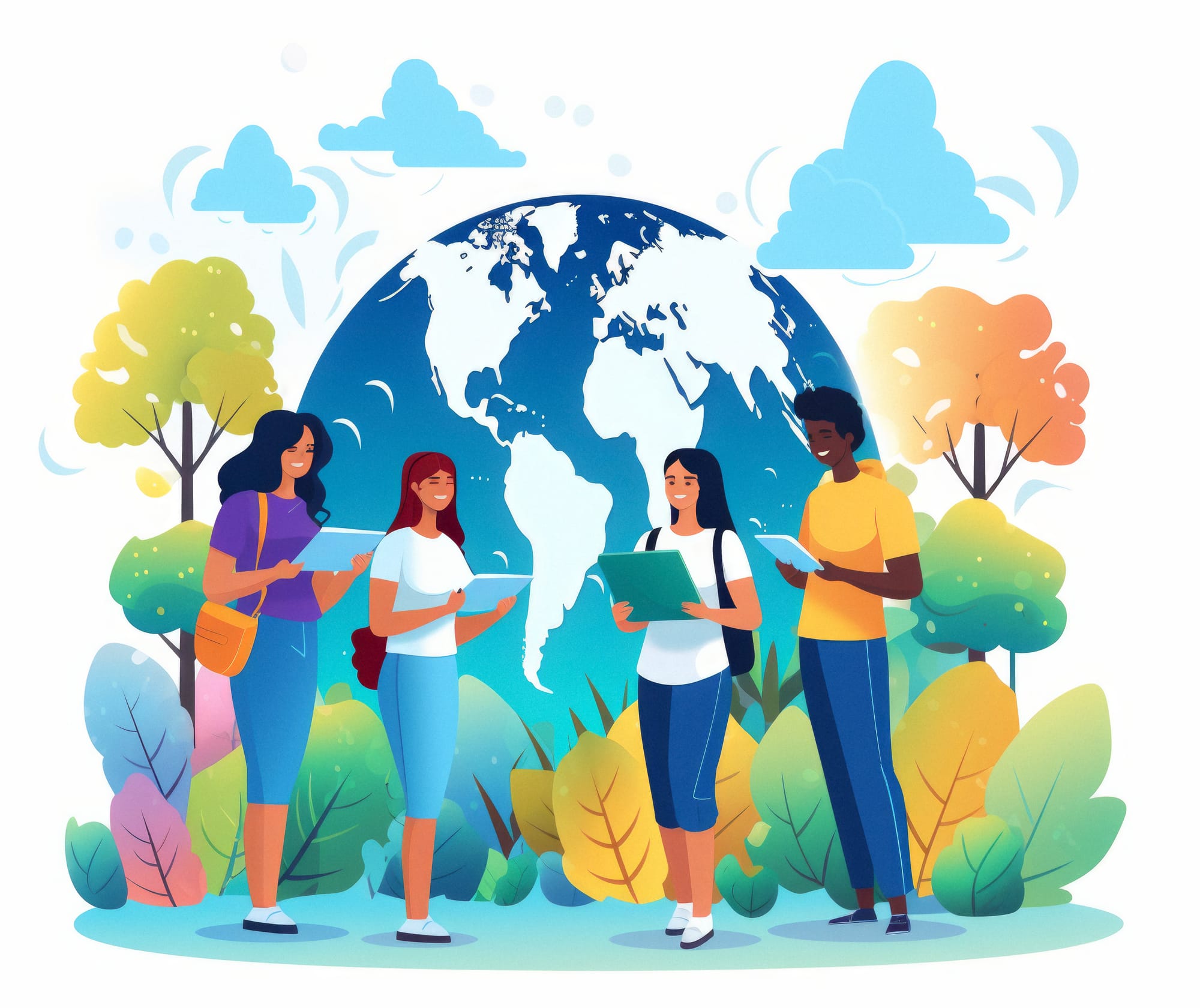
That gap matters for climate communication. If conversations focus only on communicating the scale of the problem, there can be little room left to explore what people can do with the emotions and knowledge that follow.
What happens after someone speaks?
One of the findings that stood out is the difference between original posts and the responses they receive. Posts were more likely to express emotions such as fear and sadness, while comments often introduced care, encouragement, curiosity, or neutrality.
The authors describe these conversations as:
“interactive emotional exchanges rather than isolated expressions of distress.”
That changes how we might think about climate anxiety.
A person can enter a conversation feeling overwhelmed, but the conversation itself can become a place for connection, reassurance, disagreement, or motivation. The response matters.
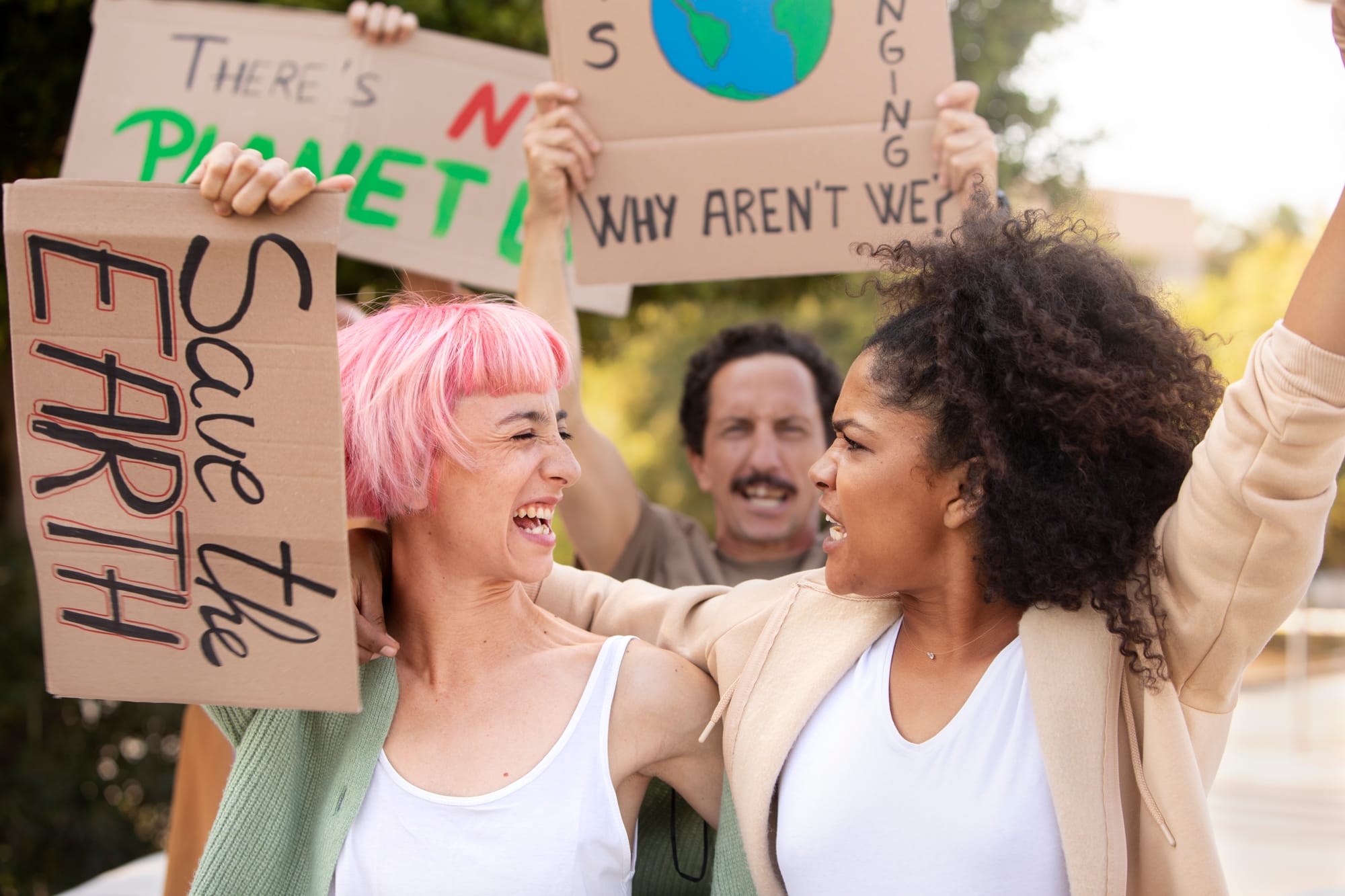
It also suggests that climate communication is not simply about delivering the right information. It is about what happens between people once that information enters the conversation and whether those conversations leave people feeling more isolated or more connected.
What can we do differently?
The findings point toward a practical shift in how climate communication is approached.
Rather than treating climate anxiety as something to simply reduce or overcome, climate communicators and organizations can ask:
- Are we communicating risk without context? Pairing difficult information with practical pathways for engagement can help connect awareness with agency.
- Are we making room for emotion? People may need space to express uncertainty or frustration rather than being immediately directed toward a solution.
- Are we designing for conversation, not just information delivery? Creating opportunities for questions, dialogue, and peer connection can change how people experience climate information.
- Are we listening to the responses? Online conversations can reveal concerns, knowledge gaps, and emotional patterns that may otherwise remain difficult to see.
- Are we using data carefully? Large-scale analysis can identify patterns, but it should complement lived experience and community knowledge.
This is where the research becomes particularly relevant beyond social media analysis. Understanding how people respond to climate information can help inform more thoughtful communication, engagement, and resilience-building approaches.

Data can show patterns. People give them meaning.
ClimateLens also raises an important question about the role of technology in understanding human experiences.
Large-scale data can help identify patterns that would be difficult to see by looking at individual conversations. At the same time, those patterns have boundaries. Reddit represents one online community, and automated emotion and topic analysis cannot capture every nuance of how people communicate.
Climate anxiety is described as:
“both an emotional and social phenomenon.”
If that is the case, understanding it requires looking at more than individual emotions. It means paying attention to the environments where people encounter climate information, the communities where they discuss it, and the responses they receive.
From concern to connection
This is where ClimateLens connects with a broader conversation about climate resilience.
Resilience is often discussed in terms of infrastructure, preparedness, adaptation, and reducing physical risks. There is also a human side to resilience: having the information, connection, and sense of agency to navigate uncertainty.
That does not mean turning every difficult climate emotion into optimism. Fear, grief, frustration, and uncertainty are legitimate parts of how people respond to a changing climate.
It means creating space to understand those emotions without allowing them to become the end of the conversation.
ClimateLens is an early step in exploring the connection between data, emotion, communication, and climate resilience. Its value may ultimately extend beyond identifying which emotions appear in climate conversations. It can help us ask better questions about what people need after the information reaches them and how communication can support a pathway from understanding to meaningful engagement.