
This summer reminded many Torontonians that climate change isn't something we're preparing for in the future, it's something communities are already living through.
From prolonged heat waves and wildfire smoke to intense rainfall and flooding, climate impacts have affected how people work, travel, connect with their neighbours, and even feel about the places they call home. For many community organizations, these impacts aren't just making headlines, they're showing up in conversations with residents every day.
To help communities better understand and respond to these growing challenges, Sprout Climate hosted its three-part webinar series, See It. Say It. Share It.: Building Community Resilience to Intensified Climate Impact. Across the sessions, participants explored how publicly available climate data, multilingual communication, and community storytelling can work together to strengthen resilience.
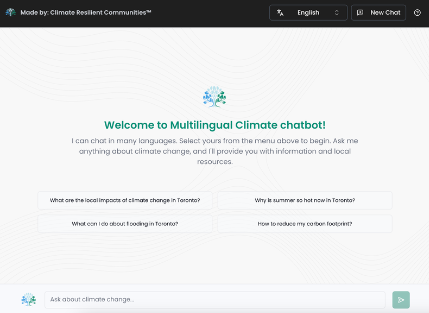
While each webinar focused on a different topic (urban heat, climate anxiety, and flooding), they all arrived at the same conclusion: communities already hold invaluable knowledge about climate impacts. The challenge is ensuring that knowledge is seen, heard, and acted upon.
Seeing the Bigger Picture
The series began by exploring publicly available climate tools that help visualize risks such as extreme heat and flooding. These maps and datasets are invaluable for identifying trends, prioritizing resources, and understanding where climate impacts are intensifying.
But they are only one part of the picture.
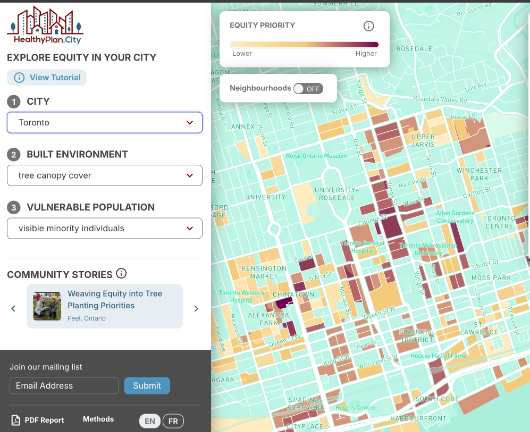
Maps cannot tell us which apartment building becomes unbearably hot during a heat wave, whether a cooling centre is actually accessible, or how many times a family has had to replace belongings after repeated basement flooding. They also cannot fully capture the experiences of communities that are often underrepresented in traditional datasets.
As session facilitator Reyna Wu noted:
"Every data tool makes choices about what to measure and what to leave out. Those choices aren't neutral. If your experience on the ground doesn't match what the map shows, it doesn't mean your experience is wrong — it may mean the map is incomplete."
Throughout the series, participants were encouraged to view data critically, not as the complete story, but as the starting point for asking better questions.
When Communities Fill the Gaps
If data tells us where climate impacts are occurring, communities help explain how they are experienced.
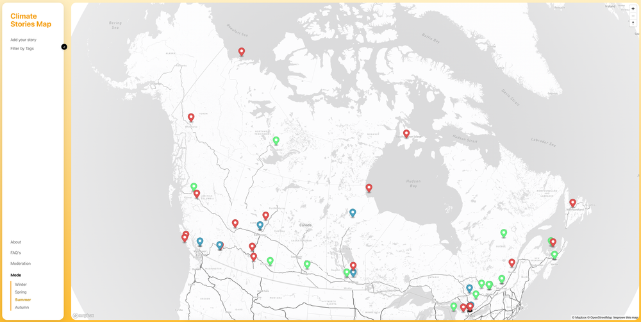
The second webinar focused on climate anxiety and reminded participants that the emotional impacts of climate change are just as real as the physical ones. Through discussions on ClimateLens research and the Climate Stories Map, participants explored how lived experiences can provide insights that statistics alone cannot.
As session facilitator Zainab Rehman reflected:
"In one way or another, everyone who attended the session had experienced climate anxiety, or knew someone who had. Those feelings range from the merely inconvenient—cancelling plans because of a heat wave—to the deeply distressing, like having to relocate because of the recent wildfires. The whole point of this second session in our three-part series was to show that the tools already exist, publicly, and that what people are feeling is not invalid. There are resources to help you understand your situation, share your experience, and even ask for help. We don't have all the answers today, but our intention is to build resilience in communities—together."
That message resonated throughout the series. Climate resilience isn't only about infrastructure or emergency planning, it is also about creating space for people to acknowledge their experiences, connect with others, and recognize that they are not facing these challenges alone.
Turning Knowledge Into Action
The final session shifted the conversation toward flooding, exploring publicly available flood mapping tools alongside practical resources that communities can use before, during, and after extreme rainfall events.
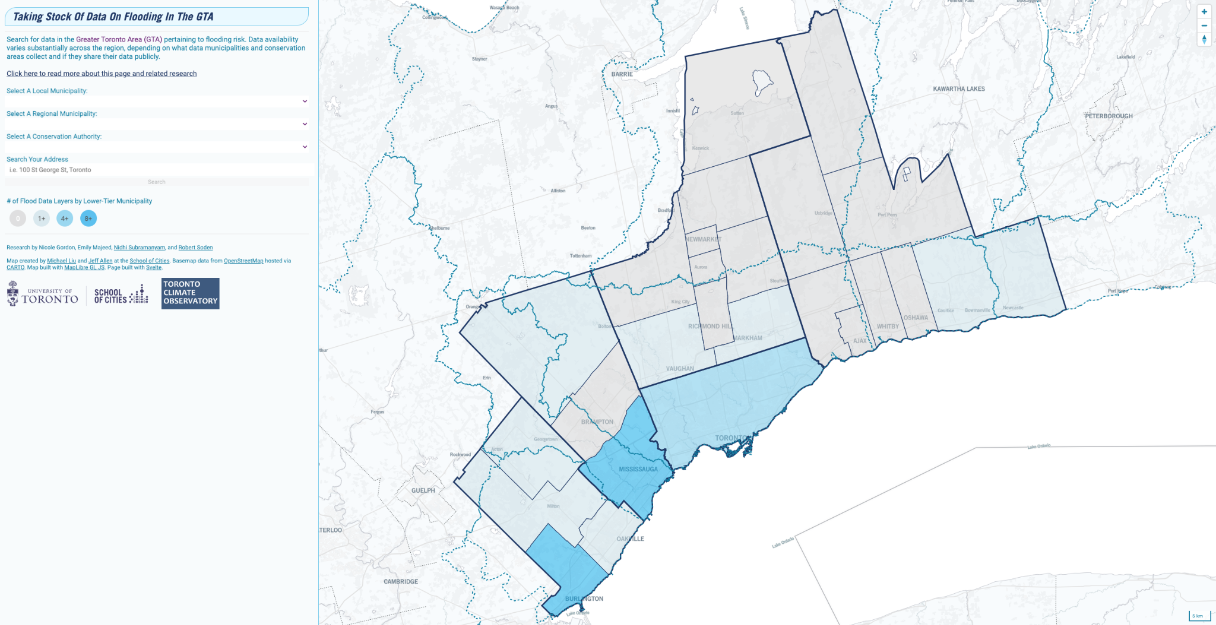
Participants welcomed the opportunity to become more familiar with open flood data and shared positive feedback about the practical value of the session. Questions also extended beyond the maps themselves, with many attendees wanting to better understand available support after flooding occurs.
As facilitator Taneea Agrawaal noted:
"Overall, people enjoyed getting familiarized with the open flood data tools and had positive feedback. There were concerns from participants around more information regarding flood assistance programs from the City, for which we shared resources."
The discussion reinforced an important point: building resilience isn't just about helping people understand risk, it's also about connecting them with the resources and support they need to respond.
More Than Data, More Than Stories
One of the strongest themes woven throughout all three sessions was that resilience grows when different forms of knowledge come together.
- Public data helps identify patterns.
- Community expertise provides local context.
- Stories reveal the human experiences behind the numbers.
- When combined, they create a richer understanding of climate impacts and support more equitable, community-informed decision-making.
At Sprout Climate, resilience means more than recovering from the next heat wave, flood, or wildfire smoke event. It means helping communities build the knowledge, relationships, and confidence to navigate a changing climate together.
The See It. Say It. Share It. series was a reminder that communities are not starting from scratch. They already possess deep local knowledge, lived experience, and strong networks of care. By pairing those strengths with accessible tools, meaningful communication, and opportunities to share stories, we can move beyond simply responding to climate impacts, and begin building healthier, more connected, and more resilient communities for the future.